
Crash Course The Agricultural Revolution
Crash Course The Agricultural Revolution - Crash course world history #1 in which john green investigates the dawn of human civilization. (2) originated as a fertility rite; Can we even call it a “revolution?” But was it a positive change, and can we even call it a “revolution?” In colonial america, agriculture was the primary livelihood for 90% of the population, and most towns were shipping points for the export of agricultural products. John looks into how people gave up hunting and gathering to become agriculturalists, and how that change has influenced the world we live in today. Some theories about why the agricultural revolution occurred (6) (1) population pressure necessitated it; Discuss how early agricultural practices altered the environment and compare them to today’s farming techniques. John looks into how people gave up hunting and gathering to become. The agricultural revolution is widely considered to be a key turning point in human history. John looks into how people gave up hunting and gathering to become agriculturalists, and how that change has influenced the world we live in today. Share your videos with friends, family, and the world In the late 1840s, mccormick made a fateful business decision, moving to the young town of chicago in america's western frontier and gambling that america's agricultural future was in the. John green of crash course providing what i would consider to be a great description of life. It gave us cheeseburgers, but was it good for us? Can we even call it a “revolution?” Crash course world history #1. In just 15,000 years, humans went from hunting and gathering to create such improbabilities as the airplane, the internet,. (2) originated as a fertility rite; Even something seemingly as simple as a cheeseburger is a result of the agricultural revolution. Skip to main content ask the publishers to restore access to 500,000+ books. Share your videos with friends, family, and the world The agricultural revolution is widely considered to be a key turning point in human history. It gave us cheeseburgers, but was it good for us? In colonial america, agriculture was the primary livelihood for 90% of the population,. Crash course world history #1. Discuss how early agricultural practices altered the environment and compare them to today’s farming techniques. But was it a positive change, and can we even call it a “revolution?” John looks into how people gave up hunting and gathering to become. (2) originated as a fertility rite; Share your videos with friends, family, and the world Built dams, cleared forests, and drilling for more oil to use for fertilizer. John looks into how people gave up hunting and gathering to. My name is john green and i want to. The agricultural revolution ccwh #1 in which john green investigates the dawn of human civilization. Can we even call it a “revolution?” Built dams, cleared forests, and drilling for more oil to use for fertilizer. John looks into how people gave up hunting and gathering to. In colonial america, agriculture was the primary livelihood for 90% of the population, and most towns were shipping points for the export of agricultural products. The agricultural revolution ccwh. Crash course world history #1 in which john green investigates the dawn of human civilization. While factories and cities developed early in the nineteenth century in the. The agricultural revolution ccwh #1 in which john green investigates the dawn of human civilization. John looks into how people gave up hunting and gathering to become agriculturalists, and how that change has. The agricultural revolution ccwh #1 in which john green investigates the dawn of human civilization. It gave us cheeseburgers, but was it good for us? Even something seemingly as simple as a cheeseburger is a result of the agricultural revolution. Crash course world history #1. Some theories about why the agricultural revolution occurred (6) (1) population pressure necessitated it; In just 15,000 years, humans went from hunting and gathering to create such improbabilities as the airplane, the internet,. But was it a positive change, and can we even call it a “revolution?” Crash course world history #1 in which john green investigates the dawn of human civilization. It gave us cheeseburgers, but was it good for us? The agricultural. Share your videos with friends, family, and the world John looks into how people gave up hunting and gathering to. Study with quizlet and memorize flashcards containing terms like when does the revolution start?, define foraging, misconception about foragers and more. John looks into how people gave up hunting and gathering to become agriculturalists, and how that change has influenced. Crash course world history #1. In colonial america, agriculture was the primary livelihood for 90% of the population, and most towns were shipping points for the export of agricultural products. Discuss how early agricultural practices altered the environment and compare them to today’s farming techniques. John looks into how people gave up hunting and gathering to. Can we even call. (2) originated as a fertility rite; Even something seemingly as simple as a cheeseburger is a result of the agricultural revolution. While factories and cities developed early in the nineteenth century in the. Crash course world history #1 in which john green investigates the dawn of human civilization. But was it a positive change, and can we even call it. (3) wanted more grains for alcohol; Some theories about why the agricultural revolution occurred (6) (1) population pressure necessitated it; John looks into how people gave up hunting and gathering to become. Crash course world history #1. Welcome you to crash course world. Crash course world history #1. Can we even call it a “revolution?” Skip to main content ask the publishers to restore access to 500,000+ books. In just 15,000 years, humans went from hunting and gathering to create such improbabilities as the airplane, the internet,. Study with quizlet and memorize flashcards containing terms like when does the revolution start?, define foraging, misconception about foragers and more. In colonial america, agriculture was the primary livelihood for 90% of the population, and most towns were shipping points for the export of agricultural products. It gave us cheeseburgers, but was it good for us? John green of crash course providing what i would consider to be a great description of life. Discuss how early agricultural practices altered the environment and compare them to today’s farming techniques. John looks into how people gave up hunting and gathering to. Built dams, cleared forests, and drilling for more oil to use for fertilizer.
(10) The Agricultural Revolution Crash Course World History 1

The Agricultural Revolution Crash Course World History 1 YouTube
Crash Course World History Episode 1 The Agricultural Revolution

The Agricultural Revolution Crash Course World History 1 Deepstash

Agricultural Revolution Video Worksheet 1—Crash Course World History

Agricultural Revolution AP® European History Crash Course
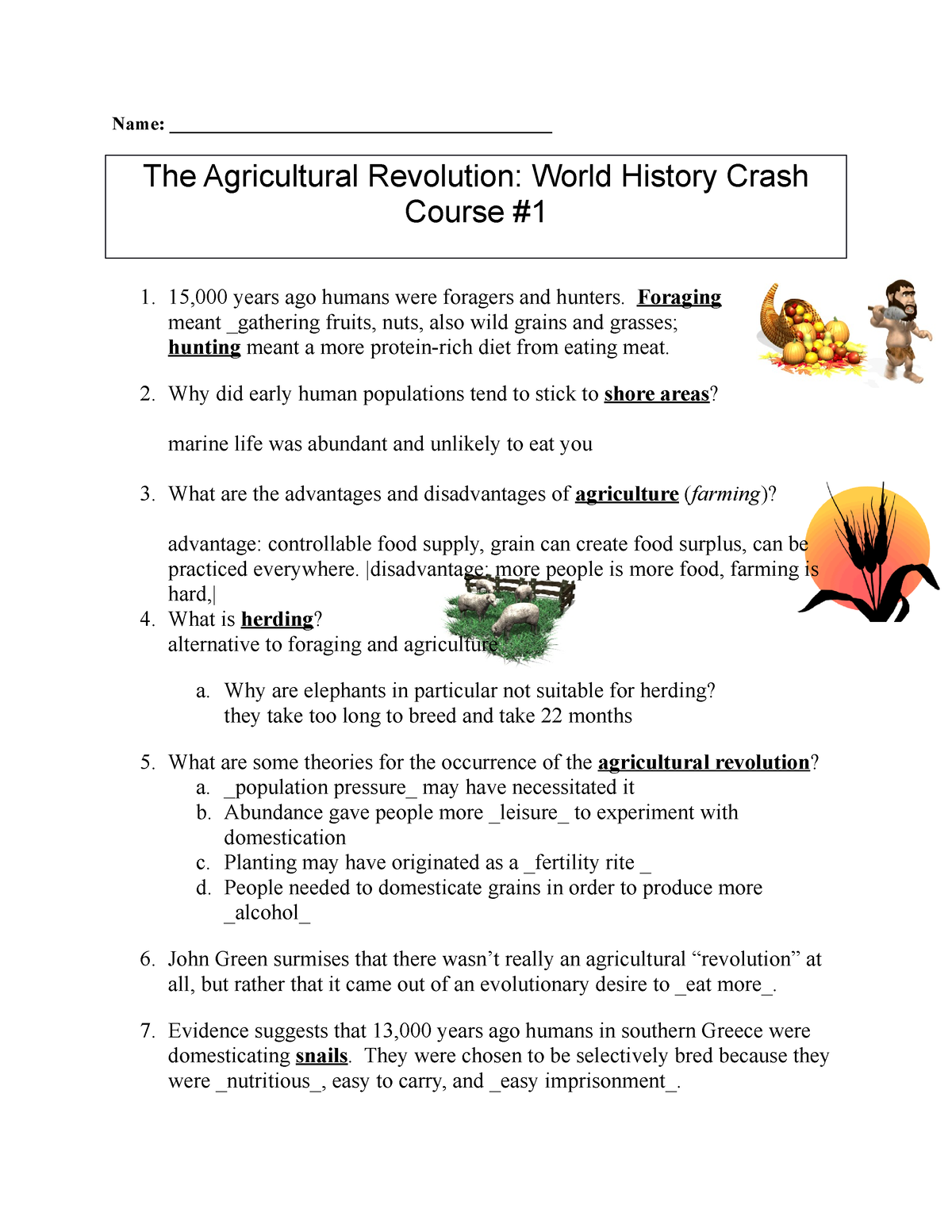
Agricultural Revolution Crash Course Name
PPT Bell Fun PowerPoint Presentation, free download ID5572438
February 8, 2018 Get out stuff for notes ppt download

Crash Course World History 1 The Agricultural Revolution
In The Late 1840S, Mccormick Made A Fateful Business Decision, Moving To The Young Town Of Chicago In America's Western Frontier And Gambling That America's Agricultural Future Was In The.
John Looks Into How People Gave Up Hunting And Gathering To Become Agriculturalists, And How That Change Has Influenced The World We Live In Today.
But Was It A Positive Change, And Can We Even Call It A “Revolution?”
#1—Crash Course World History The Agricultural Revolution 1.
Related Post:
