
Aerospace Propulsion Course
Aerospace Propulsion Course - The performance of any propulsion system designed for high speed or space applications is governed by the fundamental principles on which it is based. Aerospace engineering involves designing, developing, and testing aircraft and spacecraft, using principles of aerodynamics, materials, and propulsion. 8 & 16 week coursesflexible scheduleaffordable tuitionaccredited Students will gain knowledge of aerodynamics, structures and materials, propulsion systems, and flight mechanics and controls. The key technological achievement underlying the development and growth of the aerospace industry has been the design and development of efficient and economical. The course is intended for students with undergraduate aerospace propulsion experience/education. Students will gain a breadth of knowledge in topics. This section provides the schedule of lecture topics and includes select lecture notes for the course excluding lessons on aircraft propulsion and jet engine rotordynamics. The course catalog contains a description of specific polices, programs, degree requirements, and course offerings for undergraduate and graduate students at the university. The rocket propulsion & spacecraft dynamics course is designed to equip individuals with a deep understanding of the principles and mechanics of rocket propulsion and spacecraft. The rocket propulsion & spacecraft dynamics course is designed to equip individuals with a deep understanding of the principles and mechanics of rocket propulsion and spacecraft. This section provides the schedule of lecture topics and includes select lecture notes for the course excluding lessons on aircraft propulsion and jet engine rotordynamics. Turbofans, turboprops and turboshafts, ramjets and scramjets. The performance of any propulsion system designed for high speed or space applications is governed by the fundamental principles on which it is based. 8 & 16 week coursesflexible scheduleaffordable tuitionaccredited Students will gain knowledge of aerodynamics, structures and materials, propulsion systems, and flight mechanics and controls. Mechanical engineering · continuing education · safety · manufacturing The course is intended for students with undergraduate aerospace propulsion experience/education. The program has four major components: Advances in hypersonic technology are rapidly. The key technological achievement underlying the development and growth of the aerospace industry has been the design and development of efficient and economical. Students should possess strong analytical writing and verbal communication skills and have relevant work experience or a relevant academic background for the course prerequisites in. This class focuses on chemical rocket propulsion systems for launch, orbital, and. This section provides the schedule of lecture topics and includes select lecture notes for the course excluding lessons on aircraft propulsion and jet engine rotordynamics. Students will gain knowledge of aerodynamics, structures and materials, propulsion systems, and flight mechanics and controls. The key technological achievement underlying the development and growth of the aerospace industry has been the design and development. The key technological achievement underlying the development and growth of the aerospace industry has been the design and development of efficient and economical. This class focuses on chemical rocket propulsion systems for launch, orbital, and interplanetary flight. Dive into comprehensive aerospace fundamentals, from flight vehicle types and propulsion systems to navigation technologies and space platforms, gaining practical engineering. The program. Aerospace engineering involves designing, developing, and testing aircraft and spacecraft, using principles of aerodynamics, materials, and propulsion. Students should possess strong analytical writing and verbal communication skills and have relevant work experience or a relevant academic background for the course prerequisites in. Advances in hypersonic technology are rapidly. The course is intended for students with undergraduate aerospace propulsion experience/education. Dive. The rocket propulsion & spacecraft dynamics course is designed to equip individuals with a deep understanding of the principles and mechanics of rocket propulsion and spacecraft. The key technological achievement underlying the development and growth of the aerospace industry has been the design and development of efficient and economical. 8 & 16 week coursesflexible scheduleaffordable tuitionaccredited Aerospace engineering involves designing,. Students should possess strong analytical writing and verbal communication skills and have relevant work experience or a relevant academic background for the course prerequisites in. The performance of any propulsion system designed for high speed or space applications is governed by the fundamental principles on which it is based. The key technological achievement underlying the development and growth of the. Develop a high level of competence in engineering science,. Mechanical engineering · continuing education · safety · manufacturing The course catalog contains a description of specific polices, programs, degree requirements, and course offerings for undergraduate and graduate students at the university. Students should possess strong analytical writing and verbal communication skills and have relevant work experience or a relevant academic. Students will gain a breadth of knowledge in topics. Aerospace engineering involves designing, developing, and testing aircraft and spacecraft, using principles of aerodynamics, materials, and propulsion. The key technological achievement underlying the development and growth of the aerospace industry has been the design and development of efficient and economical. Develop a high level of competence in engineering science,. The course. This class focuses on chemical rocket propulsion systems for launch, orbital, and interplanetary flight. Advances in hypersonic technology are rapidly. Dive into comprehensive aerospace fundamentals, from flight vehicle types and propulsion systems to navigation technologies and space platforms, gaining practical engineering. The course is intended for students with undergraduate aerospace propulsion experience/education. Mechanical engineering · continuing education · safety ·. Students will gain a breadth of knowledge in topics. The course is intended for students with undergraduate aerospace propulsion experience/education. The performance of any propulsion system designed for high speed or space applications is governed by the fundamental principles on which it is based. The program has four major components: The rocket propulsion & spacecraft dynamics course is designed to. The performance of any propulsion system designed for high speed or space applications is governed by the fundamental principles on which it is based. Develop a high level of competence in engineering science,. The online master of engineering in aerospace engineering program offers flexibility for working engineers to specialize in spacecraft engineering areas like propulsion, guidance, or robotics,. The course is intended for students with undergraduate aerospace propulsion experience/education. Turbofans, turboprops and turboshafts, ramjets and scramjets. Students will gain knowledge of aerodynamics, structures and materials, propulsion systems, and flight mechanics and controls. Students will gain a breadth of knowledge in topics. The key technological achievement underlying the development and growth of the aerospace industry has been the design and development of efficient and economical. The program has four major components: Dive into comprehensive aerospace fundamentals, from flight vehicle types and propulsion systems to navigation technologies and space platforms, gaining practical engineering. The course catalog contains a description of specific polices, programs, degree requirements, and course offerings for undergraduate and graduate students at the university. The rocket propulsion & spacecraft dynamics course is designed to equip individuals with a deep understanding of the principles and mechanics of rocket propulsion and spacecraft. Advances in hypersonic technology are rapidly. This section provides the schedule of lecture topics and includes select lecture notes for the course excluding lessons on aircraft propulsion and jet engine rotordynamics. Mechanical engineering · continuing education · safety · manufacturing
361st Aerospace Propulsion
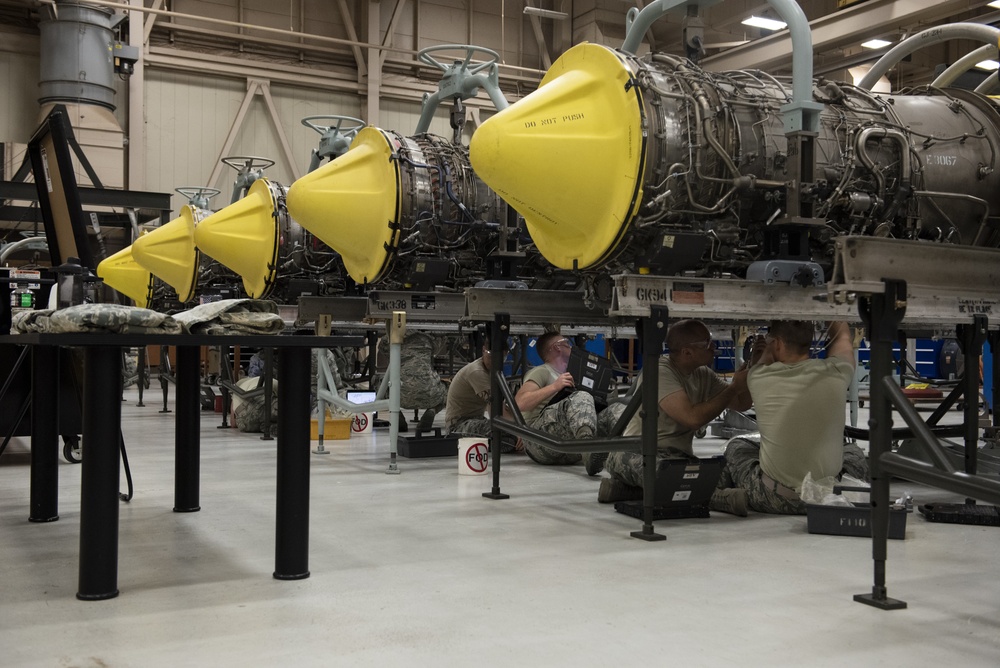
DVIDS Images 361st TRS aerospace propulsion apprentice course
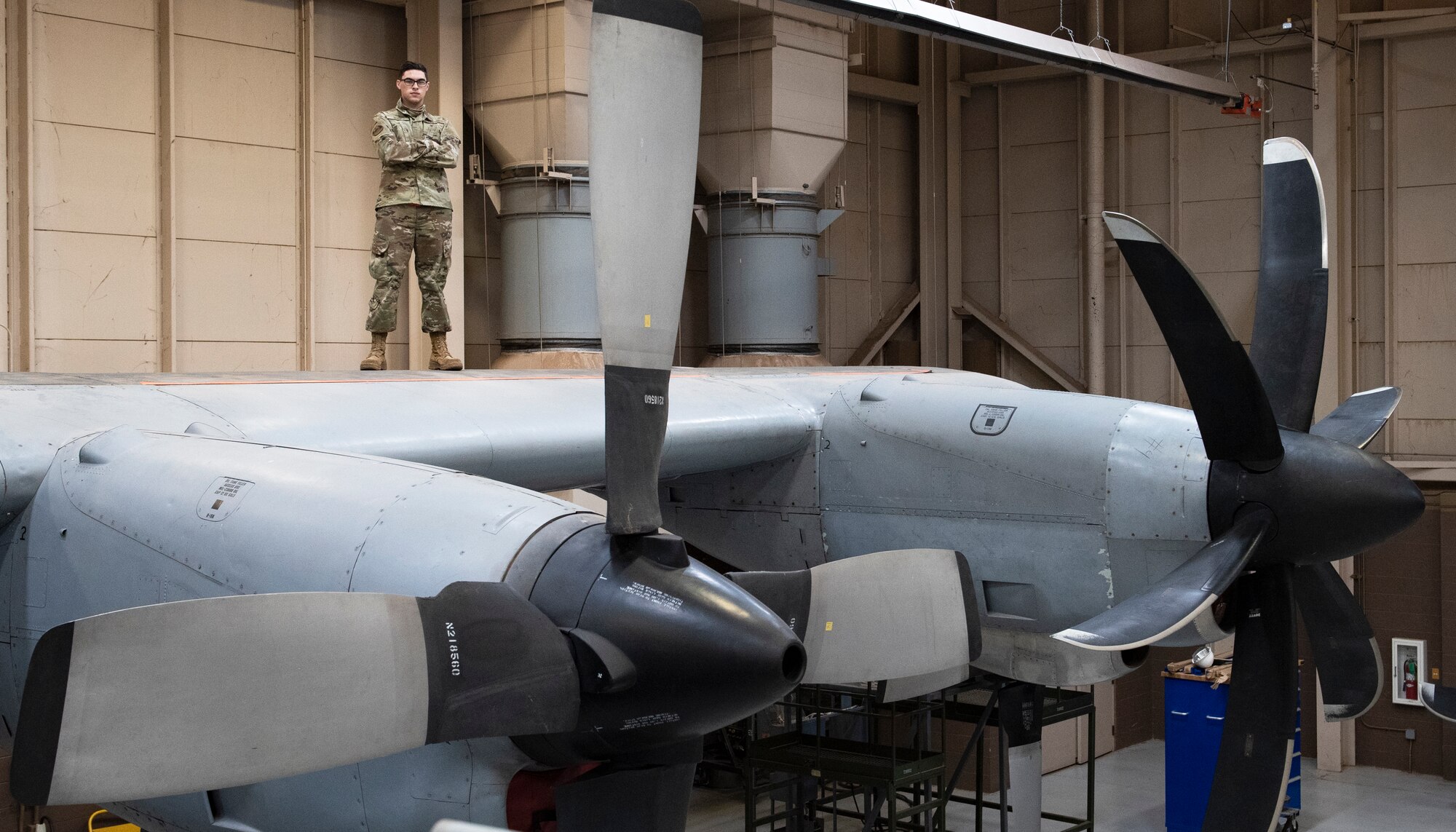
Tennessee Native ACEs Aerospace Propulsion Course > Sheppard Air Force

DVIDS Images 361st TRS aerospace propulsion apprentice course
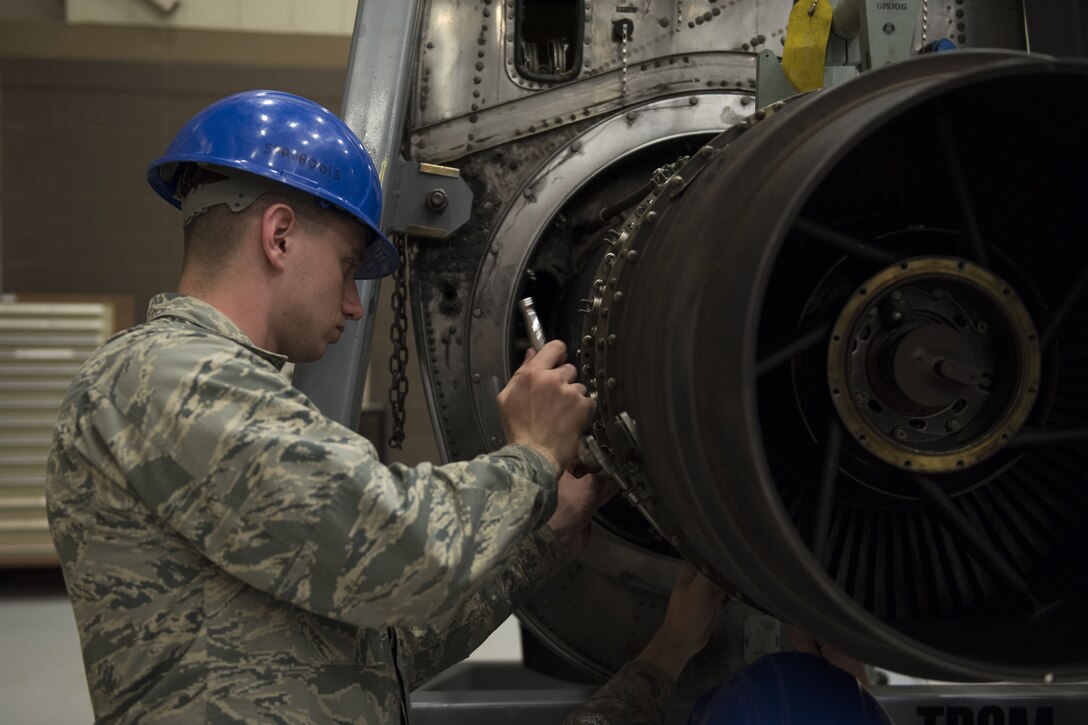
361st TRS Aerospace propulsion apprentice course
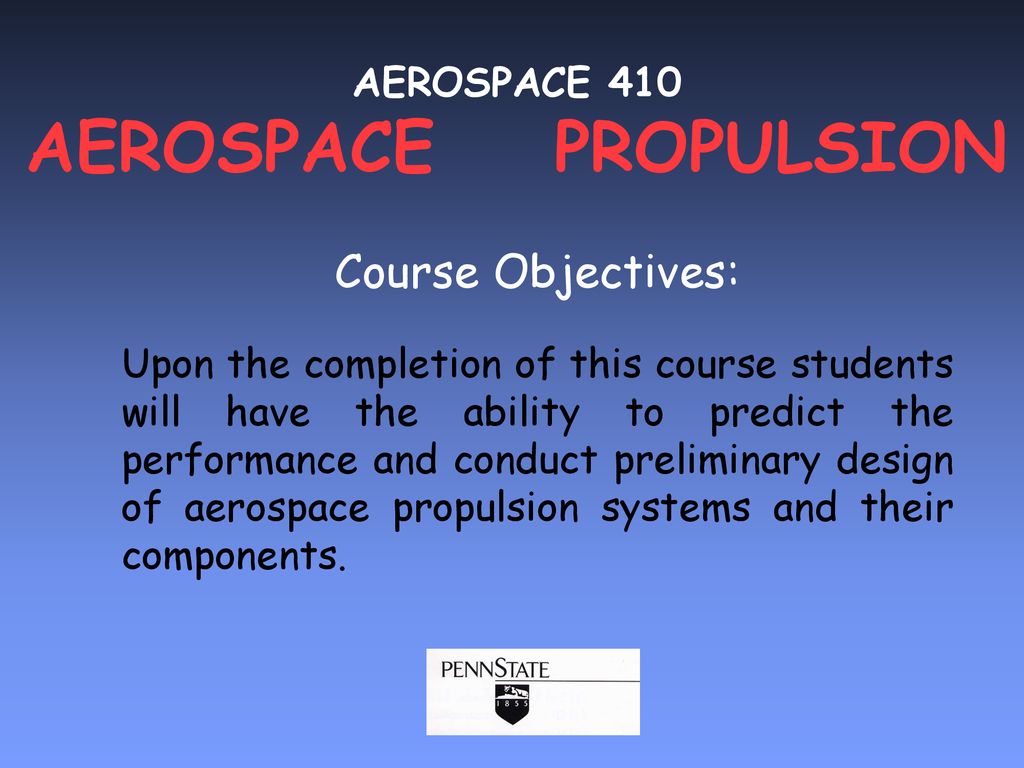
AEROSPACE PROPULSION Dr. Cengiz Camci AEROSPACE 410 Fall ppt download

Ohio native ACEs Aerospace Propulsion course at Sheppard AFB > 33rd
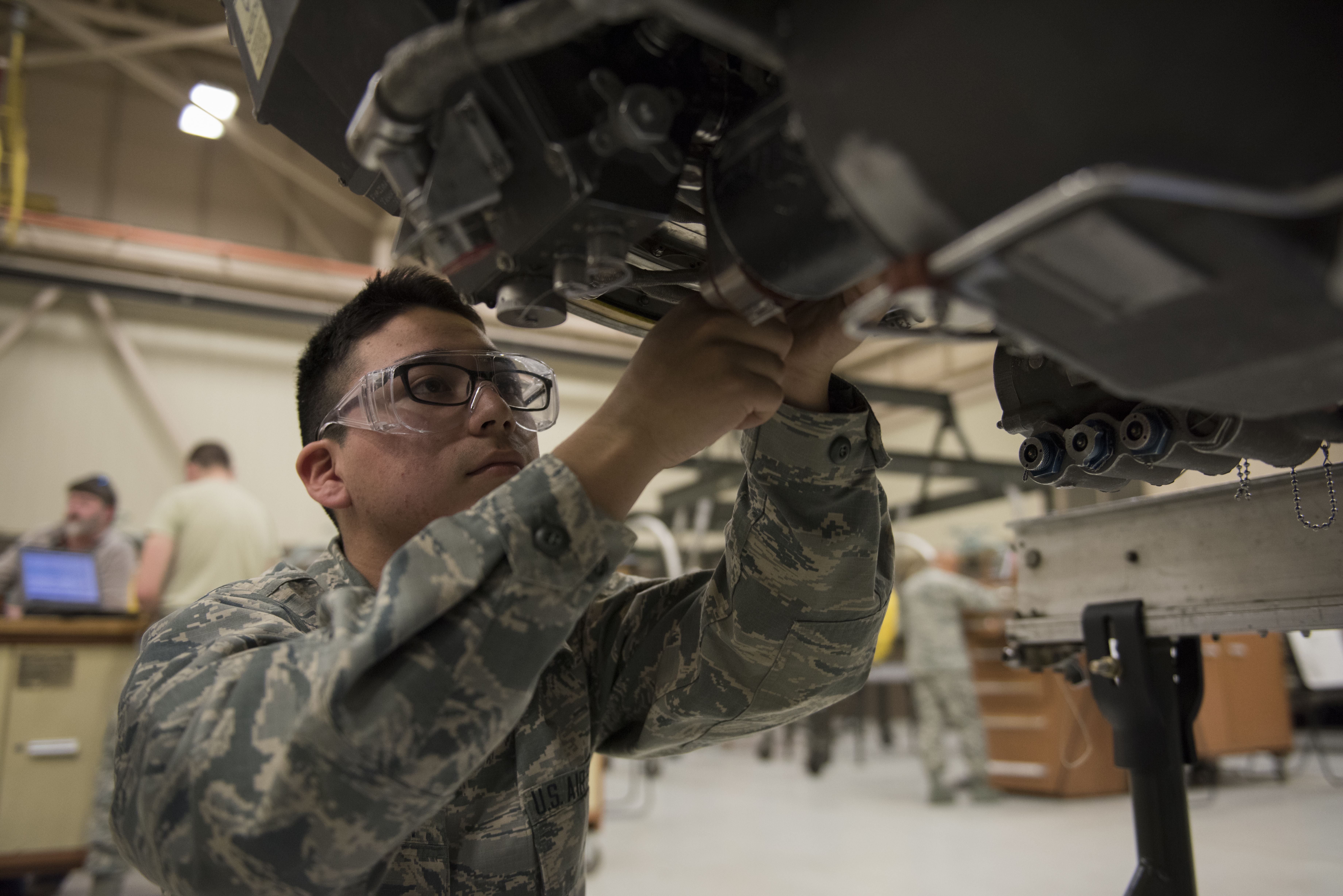
361st Training Squadron aerospace propulsion training
![DVIDS Images Aerospace propulsion apprentice course [Image 2 of 4]](https://d1ldvf68ux039x.cloudfront.net/thumbs/photos/1909/5735272/1000w_q95.jpg)
DVIDS Images Aerospace propulsion apprentice course [Image 2 of 4]
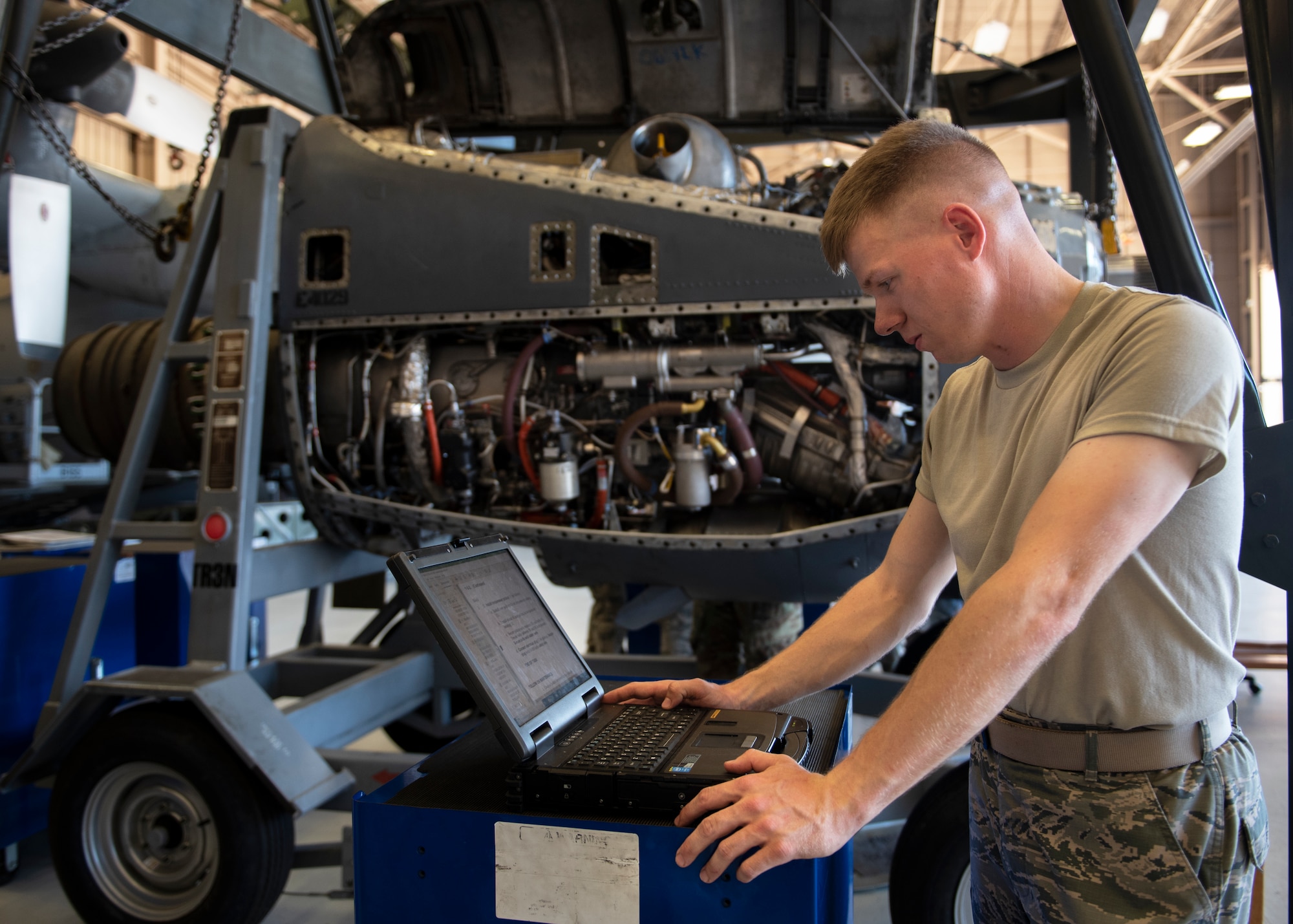
Ohio native ACEs Aerospace Propulsion course at Sheppard AFB > 33rd
Students Should Possess Strong Analytical Writing And Verbal Communication Skills And Have Relevant Work Experience Or A Relevant Academic Background For The Course Prerequisites In.
This Class Focuses On Chemical Rocket Propulsion Systems For Launch, Orbital, And Interplanetary Flight.
Aerospace Engineering Involves Designing, Developing, And Testing Aircraft And Spacecraft, Using Principles Of Aerodynamics, Materials, And Propulsion.
8 & 16 Week Coursesflexible Scheduleaffordable Tuitionaccredited
Related Post: